Choosing the right decking material can feel overwhelming. You want something that looks great, lasts forever, and doesn’t eat up your weekends with maintenance. Composite decking has surged in popularity over the past decade, but is it really the best choice for your outdoor space?
There are real advantages here, but also some limitations you should know about before making that initial investment.
What Is Composite Decking, Anyway?
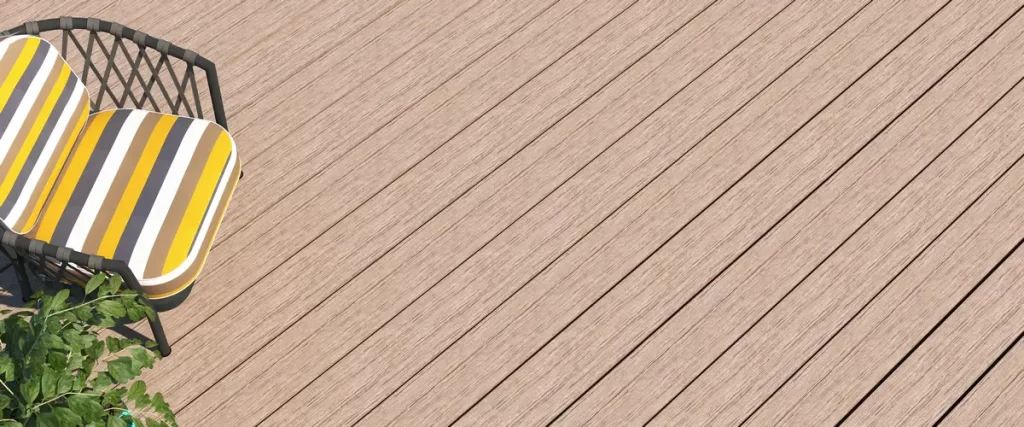
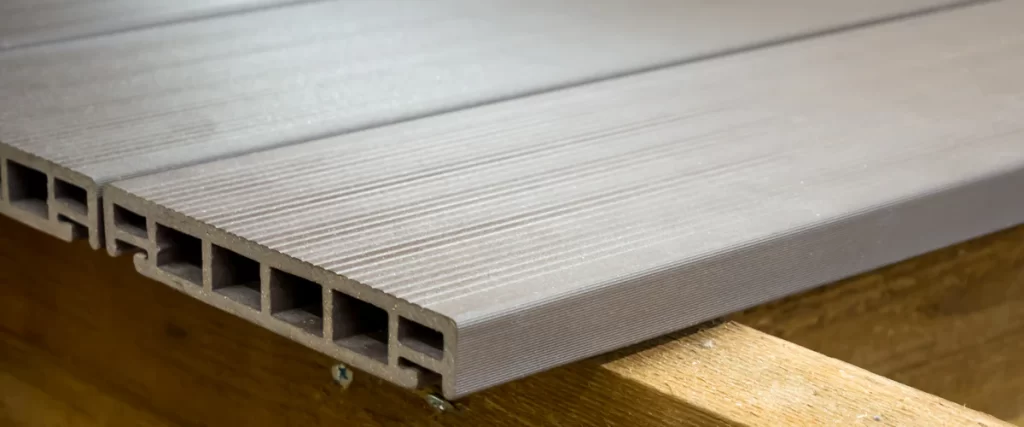
Composite boards are manufactured from a blend of recycled plastics and wood products. Think of it as engineered decking material that combines the aesthetic appeal of natural wood with the durability of plastic. Manufacturers mix wood fibers with binding agents and recycled materials to create boards that resist many of the problems traditional timber faces.
The finished product mimics real wood grain patterns pretty convincingly. Some homeowners can’t tell the difference from a few feet away, while others notice right away that it lacks the authentic texture of wood decking.
The Advantages of Going Composite
Low Maintenance Requirements
Here’s where composite materials really shine. You won’t spend summer Saturdays applying stain or sealer. Traditional wood decking demands attention every couple of years to prevent rot and keep it looking fresh. Composite? Just soap, water, and an occasional scrub.
For busy homeowners, this time savings adds up fast. That’s probably worth something to you.
Greater Durability in Harsh Conditions
Wood naturally deteriorates when exposed to moisture and insects. Composite decking resists both. You won’t see termite damage or carpenter ant tunnels. Rain and snow won’t cause the same warping, cracking, or splintering you’d get with traditional timber.
High traffic areas hold up remarkably well too. Kids running across the deck, patio furniture dragging around, pets with sharp nails, composite handles it all without showing wear nearly as quickly as natural wood.
Long Term Savings
The higher upfront cost makes some people hesitate, but consider what you’re avoiding. No stain purchases every two years. No hiring someone for deck refinishing. The U.S. Environmental Protection Agency estimates that maintaining a traditional wood deck can cost several hundred dollars annually in materials and labor.
Over fifteen or twenty years, those maintenance expenses add up significantly. The price difference between composite and wood often evens out when you factor in long-term benefits.
The Real Cons of Composite Decking
Heat Retention Can Be Intense
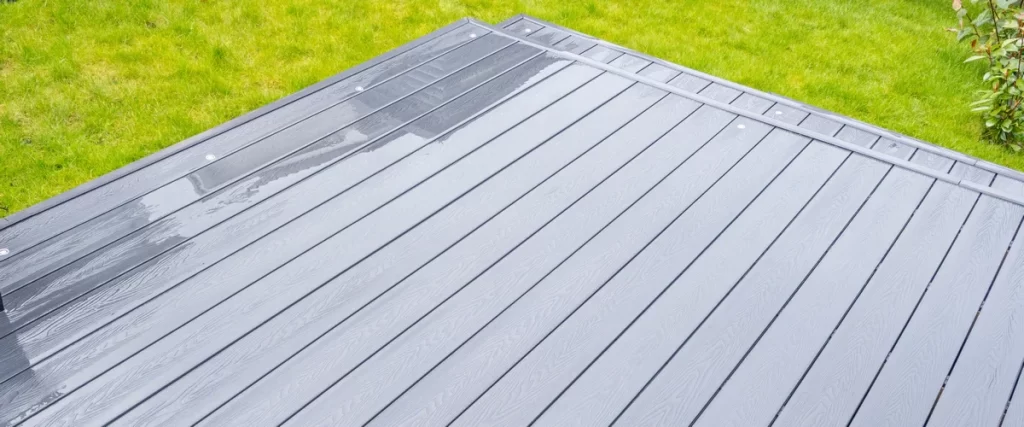
Composite decking gets hot. Really hot. Direct sunlight on a south-facing deck covered in darker shades of composite can make the surface uncomfortably warm to walk on barefoot. We’re talking temperatures that make you hop across to the grass.
Lighter colours help somewhat, but even they absorb more heat than natural wood does. If your outdoor living space gets full sun exposure during peak summer hours, this becomes a legitimate concern.
Traditional wood decking stays cooler because it breathes and releases heat more effectively. This might seem like a minor issue until you’re hosting a July barbecue and everyone’s wearing shoes on the deck.
| Feature | Composite Decking | Wood Decking |
| Maintenance | Minimal (occasional cleaning) | Regular (staining, sealing, sanding) |
| Heat in Sun | Gets very hot | Stays relatively cool |
| Initial Cost | Higher | Lower |
| Insect Resistance | Excellent | Requires treatment |
| Natural Appearance | Simulated wood grain | Authentic wood grain |
| Lifespan | 25-30+ years | 10-15 years (with maintenance) |
Upfront Costs Sting a Bit
Quality composite materials cost more than natural wood, sometimes significantly more. That initial investment can shock homeowners who’ve budgeted for traditional timber prices. Installing composite decking isn’t necessarily more expensive labor-wise, but the materials themselves carry a premium.
If budget constraints are tight right now, that price difference matters. Some people would rather pay less upfront and handle maintenance later.
The Look Isn’t Quite the Same
Composite manufacturers have improved their game tremendously. Modern boards feature realistic grain patterns and natural-looking color variations. But stand close enough, and you’ll notice it’s not real wood.
Some potential buyers specifically want authentic timber for the aesthetic appeal. If resale value concerns you, know that deck preferences vary by region and buyer demographic. The natural look of wood still wins hearts in certain markets.
Color Fading Over Time
UV rays affect composite decking, too. While it won’t rot or splinter, the colour will fade somewhat over the first couple of years before stabilizing. Manufacturers have gotten better at UV resistance, but fading still happens.
Most warranties cover structural integrity, but not color retention past a certain point. Read the fine print before assuming your deck will look exactly the same in ten years.
Limited Repair Options
Scratch or damage a wood deck board? You can sand it down or replace just that section fairly easily. Damage composite boards, and your options narrow. You can’t sand composite smooth again. Replacement means pulling the damaged board and installing a new one, which might not match perfectly if the rest of your deck has faded.
Is Composite the Eco-Friendly Choice?
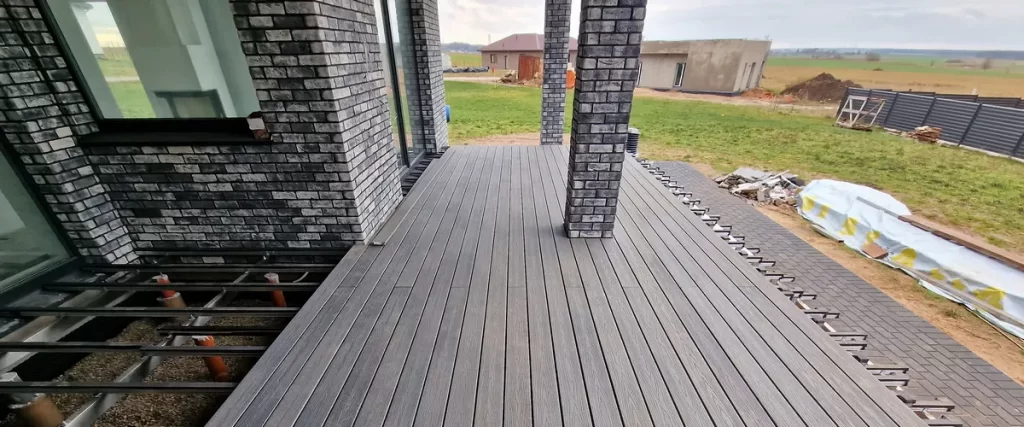
Many composite products use recycled materials, which sounds environmentally responsible. The boards themselves often contain recycled plastics that would otherwise end up in landfills. From that angle, composite offers environmental benefits.
However, production requires more energy than milling natural wood, and composite isn’t biodegradable like timber. When your deck reaches end-of-life, disposal becomes tricky. Some recycling programs accept old composite decking, but availability varies by location.
Natural wood, when sourced responsibly from sustainable forests, might actually be the greener option depending on how you weigh these factors.
Making the Right Choice for Your Decking Project
The pros and cons of composite decking depend heavily on your specific situation. How much direct sunlight hits your deck? What’s your budget? How do you feel about weekend maintenance tasks?
Consider composite if:
- Low maintenance matters more than initial cost
- Insect damage and rot are concerns in your area
- You’re planning to stay in your home long enough to realize long-term savings
- High temperatures aren’t an issue (covered deck, northern climate, lighter colors)
Stick with traditional wood decking if:
- Upfront costs need to stay minimal
- You prefer the authentic, natural look
- Heat retention in high temperatures would be problematic
- You don’t mind regular staining and sealing
Building Code Considerations
Before finalizing your decking project, check with your local building department. Most municipalities require permits for deck construction, and building codes specify structural requirements for both composite and wood installations. These regulations ensure your deck safely supports the intended load and meets safety standards.
Your local inspector can clarify whether additional support structure is needed for composite boards versus traditional timber, as weight and span requirements sometimes differ.
Frequently Asked Questions
Does composite decking increase home value?
A well-maintained deck can significantly increase resale value regardless of material. Composite’s low-maintenance appeal attracts some potential buyers, while others prefer natural wood. Location and buyer preferences vary.
Can I install composite decking myself?
The installation process resembles wood decking but requires specific fastening systems. Manufacturers provide detailed instructions. That said, proper installation affects how your deck performs over decades. Mistakes with the underlying structure cause problems, whether you’re using composite or wood.
How long does composite decking really last?
Quality composite materials typically last 25-30 years or more with minimal maintenance. Traditional wood decking might last 10-15 years with consistent care, or just 5-10 years without proper sealing and treatment.
Will composite decking work with my existing deck structure?
Usually yes, but verify that your current structure can support the weight. Composite boards are often heavier than natural wood. An engineer or experienced contractor can assess whether reinforcement is needed.
The Bottom Line
Composite decking offers key advantages that appeal to homeowners who value their time and want less maintenance. The greater durability and insect resistance are real benefits. But those benefits come with disadvantages, mainly higher upfront cost and heat retention that can make summer afternoons uncomfortable.
Neither option is universally better. Your climate, budget, and personal preferences should guide the decision.
Maybe you’re reading all this and thinking, “I’d rather have someone else handle the whole thing.” That’s completely reasonable. Choosing materials, pulling permits, making sure the structure meets code, dealing with installation details, it adds up to a lot of decisions and physical work.
If you’d like professional help with your deck project, whether you’re leaning toward composite or traditional wood, we’d be happy to talk through your options. Our team has extensive experience with both materials and can help you create an outdoor space that fits your lifestyle and budget.
For more information about our deck building services, or to discuss your specific project, call us at (919) 638-0986 or message us here. We’ll help you figure out what makes sense for your home.