Building a deck in North Carolina means following specific codes that protect your home and everyone who steps onto that outdoor space. The North Carolina Residential Code sets clear standards for deck construction, and understanding these requirements helps you avoid costly mistakes and potential safety hazards.
Understanding North Carolina’s Deck Building Standards
The state adopts the International Residential Code with specific modifications, creating a framework that addresses everything from footing depth to fastener types. If you understand these regulations before starting your project, you’ll save time and prevent the headache of failed inspections.
Most municipalities in North Carolina require building permits for deck construction, and the approval process involves submitting building plans and a site plan. The North Carolina Department of Insurance oversees these standards, making sure local jurisdictions enforce proper safety measures. You can find detailed information on their official website, which provides resources for homeowners and contractors alike.
Structural Foundation Requirements
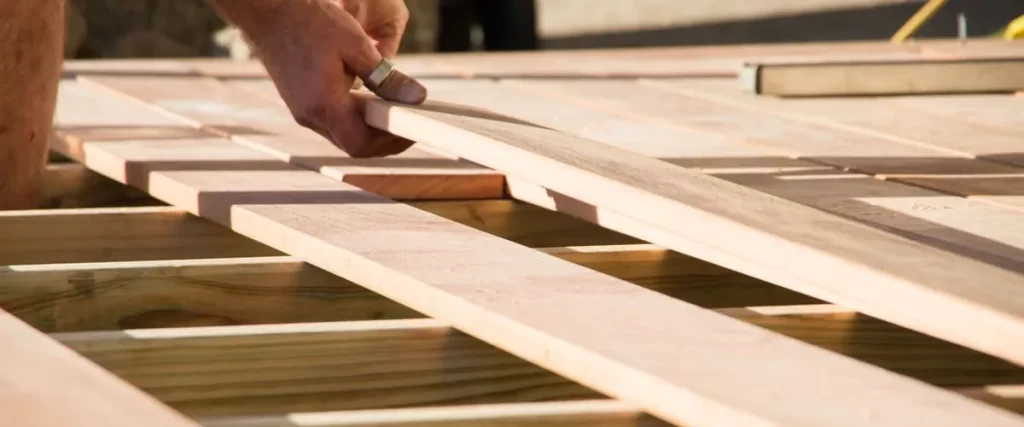
Your deck’s foundation determines how well it performs over decades of use.
Minimum footing depth varies by region but typically extends below the frost line. In most North Carolina areas, footings must reach at least 12 inches (304.8 mm) below finished grade. Areas with higher elevations may require deeper footings depending on ground snow load and local soil conditions.
Deck support posts need proper sizing based on the load they’ll carry. Post heights exceeding certain limits require additional lateral bracing to provide lateral stability in two perpendicular directions. The connection between posts and footings must create full bearing support, distributing weight evenly across the foundation.
Freestanding decks have different structural requirements than attached decks. A free-standing deck doesn’t connect to your home’s exterior column line, so it relies entirely on its own supporting structure. This independence changes how you calculate loads and plan lateral stability.
Ledger Board Attachment for Deck Attached to Homes
When you’re building a deck attached to your house, the ledger board becomes one of the most important components. The deck ledger must fasten securely to the structure band or rim joists of your home, creating a connection strong enough to support half the deck’s weight.
For brick veneer structures, you cannot attach the ledger directly to the brick. The fasteners must penetrate through the brick veneer and connect to the actual structural framing behind it. This often means using longer bolts that pass completely through the treated wood band or rim joist of the house.
Proper attachment includes:
- Hot-dip galvanized bolts with nut and washer assemblies
- Minimum shank diameter that meets code requirements for your deck size
- Minimum edge distance from the top and bottom of the ledger
- Corrosion-resistant finish equivalent to hot-dip galvanization for all hardware
Neither the flashing nor the siding should be compressed by fasteners. The flashing must direct water away from the connection while allowing the ledger to sit tight against the supporting structure band.
Joist and Beam Specifications
Wood deck joists carry the floor decking and transfer loads to beams and posts. The maximum allowable spans for deck joists depend on the lumber species and grade you’re using.
Southern pine lumber, a common choice in North Carolina, has specific span ratings. Spruce pine fir offers different characteristics and allowable spans. When you’re planning joist spacing, you’ll see requirements like “16 max joist span” or “8 max joist span” depending on your decking material and expected dead load.
The actual beam span also follows strict guidelines. Beams must create adequate support for the joists they carry, and the configuration matters. A side-mount dropped girder attaches differently than a beam that sits beneath the joists, and each method affects your span calculations.
Adjacent joist span measurements help determine proper support. When joists frame into a beam, they need hangers or ledger connections that can handle the allowable shear load for that particular span and lumber type.
Decking and Surface Requirements
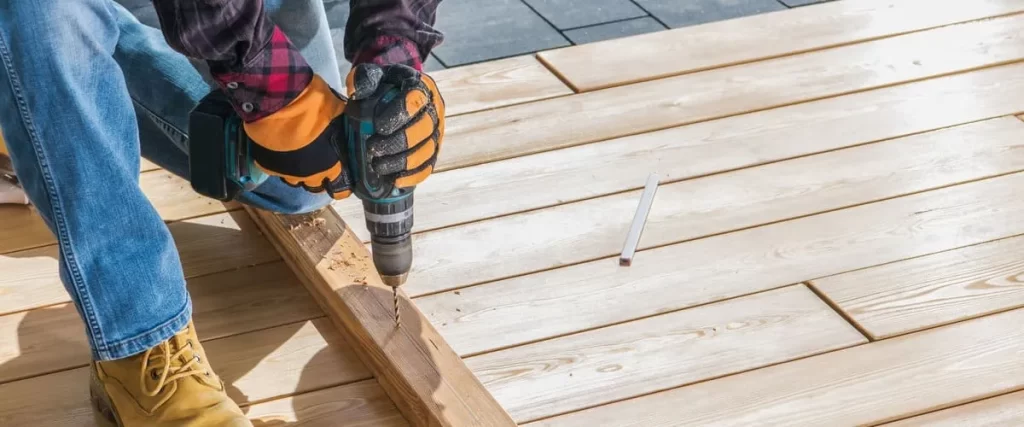
Minimum floor decking thickness depends on joist spacing and the type of material you choose. Most deck construction uses 1-inch (25.4 mm) thick decking boards, though actual dimensions of lumber differ from nominal sizes. When spacing is 16 inches (approximately 406.4 mm) on center, standard 5/4 decking works well.
The floor decking thickness must support normal use without excessive deflection. Thinner materials require closer joist spacing, while thicker boards can span greater distances. This relationship affects your overall framing plan and material costs.
Maximum walkway surface height from finished grade also matters for safety and code compliance. Decks higher than 30 inches typically require guardrails, and the deck floor height affects how you approach stairs and transitions.
Fasteners and Hardware Standards
The right fasteners make the difference between a deck that lasts and one that fails prematurely. Self-drilling screw fasteners work well for many connections, offering ease of installation and good holding power. However, structural connections often require through-bolts with washers and nuts.
A self-drilling screw fastener must have a corrosion-resistant finish equivalent to hot-dip galvanization when used in treated wood. Untreated framing requires less resistant hardware, but mixing materials creates galvanic corrosion concerns.
Deck band connections use galvanized bolts with nut and washer assemblies sized appropriately for the thickness of materials being joined. The minimum shank diameter increases with the size of the deck and expected loads.
Bracing and Lateral Support
Lateral bracing prevents your deck from racking or swaying. Post attached bracing runs diagonally between posts and beams, creating triangulation that resists movement. Cross bracing between joists adds rigidity to the floor system.
A bracing member must be sized correctly for the span it covers and the forces it must resist. Interior post locations might need less bracing than perimeter posts, but the code sets minimums based on maximum post height and overall deck dimensions.
Deck attachment to a brick structure requires careful planning. You’re working through the brick veneer to reach the actual load-bearing wall, and the connection must securely support stringers if you’re framing stairs into the ledger area.
Special Considerations for Deck Construction

Post length affects your lumber selection and bracing requirements. Longer posts need lateral stability solutions that shorter ones don’t. When post heights exceed standard limits, you’ll add bracing member connections at intermediate points.
Foundation wall proximity matters when you’re positioning footings. Minimum depth requirements change near existing foundations, and you cannot compromise the structural integrity of your home’s foundation system.
A free-standing deck shown in most plan examples includes all structural support independent of the house. This approach simplifies some code requirements while creating others related to post stability and beam sizing.
Making Sense of the Codes
These requirements exist because decks collapse when built incorrectly, and people get hurt. The measurements might seem arbitrary until you consider the engineering behind them. One inch equals 25.4 mm, and 1 foot equals 304.8 mm, conversions that matter when reviewing plans that mix imperial and metric units.
The minimum footing requirements account for soil bearing capacity and frost heave. Deck support posts sized too small buckle under load. Floor decking thickness that’s inadequate bounces and eventually cracks. Every specification addresses a real failure mode that engineers have documented.
When you pull permits and submit your plans for review, inspectors verify these details. They check that your deck ledger attachment meets spacing requirements, that your joists don’t exceed maximum spans, and that your footings reach minimum depth.
When to Call the Professionals
Reading through all these requirements might make you realize why many homeowners choose to hire experienced contractors. The code book runs hundreds of pages, and deck building represents just one chapter. If you misinterpret a single requirement, you might compromise your deck’s safety or face expensive corrections after inspection.
Deck building professionals work with these codes daily. They know which lumber grades perform best in North Carolina’s climate, how to properly flash ledger connections on brick veneer structures, and which fastener types satisfy inspectors without question. They’ve solved the tricky problems that come up when your house doesn’t have a convenient rim joist location or when your slope creates challenging footing situations.
If you’re considering a deck project and the technical requirements feel overwhelming, we understand. Building a safe, code-compliant deck requires specific knowledge and experience that goes beyond general carpentry skills.
Call us at (919) 638-0986 or message us here to discuss your deck project. We’ll handle the permits, ensure every connection meets North Carolina requirements, and build you an outdoor space that passes inspection the first time.